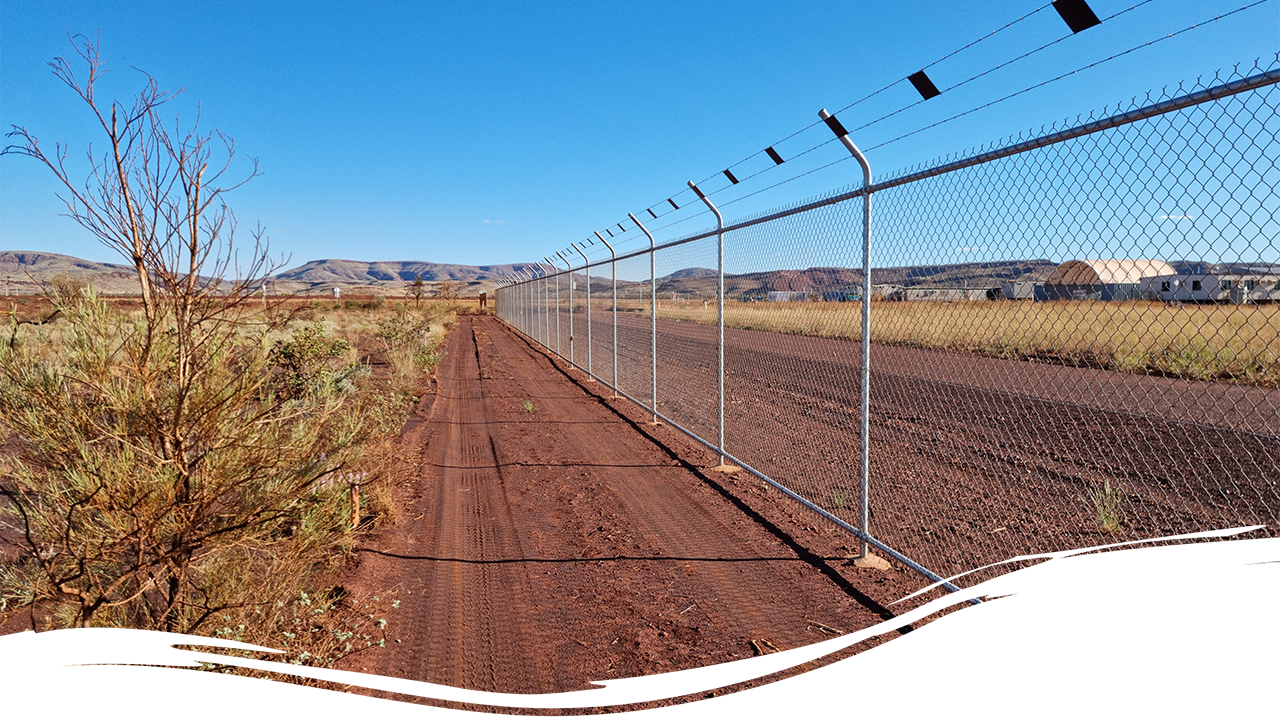
Anti-climb fencing is a high-security barrier system designed to prevent unauthorized access by making it difficult to scale, cut, or breach. It is commonly used in government buildings, industrial sites, correctional facilities, and commercial properties where maximum security is required.
Unlike standard fencing, anti-climb fencing features narrow mesh spacing, reinforced steel construction, and spiked tops, making it nearly impossible for intruders to gain a foothold or use cutting tools.
Benefits of Anti-Climb Fencing
Maximum Security & Tamper Resistance
Anti-climb fencing is designed to deter intruders by eliminating footholds and restricting handgrips. Its narrow mesh design prevents cutting tools from easily penetrating, making it a top choice for high-risk security zones.
For enhanced perimeter control, anti-climb fencing is often installed alongside high-security fencing to create a reinforced barrier.
Strong & Durable Materials
Manufactured from galvanized steel, welded mesh, or powder-coated panels, anti-climb fencing is built to withstand extreme weather, impact, and tampering. These materials ensure long-lasting security with minimal maintenance.
For high-risk environments, garrison fencing can be combined with anti-climb fencing for additional strength and durability.
Visibility & Surveillance Compatibility
Despite its reinforced structure, anti-climb fencing provides excellent visibility, allowing security personnel and surveillance cameras to monitor restricted areas effectively.
For enhanced security integration, anti-climb fencing can be paired with access control systems to regulate and monitor entry points.
Common Applications of Anti-Climb Fencing
Correctional Facilities & Government Buildings
Prisons, police stations, and government offices require anti-climb fencing to prevent escapes, unauthorized access, and security breaches. These fences often feature spiked tops or electric deterrents for additional protection.
Industrial & Commercial Properties
Factories, warehouses, and infrastructure facilities use anti-climb fencing to protect assets and deter break-ins. The tamper-resistant design ensures a secure perimeter, reducing security risks.
Military & High-Security Zones
Military bases and defense sites install anti-climb fencing as part of a multi-layered security system to prevent unauthorized access and surveillance threats.
For restricted areas, anti-climb fencing can be reinforced with palisade fencing to provide an additional layer of security.
Types of Anti-Climb Fencing
Anti-climb fencing comes in multiple configurations to meet different security needs:
- Welded Mesh Anti-Climb Fencing: Provides tight mesh spacing and reinforced steel to prevent climbing and cutting.
- Palisade Anti-Climb Fencing: Features vertical steel pales with spiked tops for added deterrence.
- Electric Anti-Climb Fencing: Delivers a non-lethal shock to further discourage intruders.
- Reinforced Anti-Climb Barriers: Includes extra security measures like razor wire or CCTV integration.
The right fencing choice depends on threat level, location, and security requirements.
Anti-Climb Fencing Installation & Maintenance
Proper installation ensures long-term effectiveness and security compliance. The process includes:
- Assessing site security needs and determining fencing specifications.
- Installing heavy-duty posts and reinforced panels for stability.
- Securing the fence with tamper-resistant fasteners.
- Integrating access control and surveillance features where required.
- Conducting routine maintenance and inspections to check for wear or damage.
FenceWright specializes in custom anti-climb fencing solutions, ensuring professional installation and compliance with Australian security standards.
For expert anti-climb fencing installation, explore our high-security fencing services in Perth.


ISO 9001 is the internationally recognised standard for a
Quality Management System (QMS) that can benefit any size organization.
ISO 14001 is the internationally recognised standard that specifies requirements for an effective environmental management system (EMS).

ISO 45001 is now the internationally recognised standard for OHS management systems.