Automatic gates are motorized entry gates designed to provide secure and controlled access to residential, commercial, and industrial properties. They are equipped with electronic mechanisms, allowing gates to open and close remotely using keypads, sensors, remote controls, or smart access systems.
These gates are commonly used in high-security areas, business complexes, warehouses, and restricted zones where manual operation is impractical. Automatic gates offer a combination of convenience, safety, and durability, making them an ideal choice for perimeter security solutions.
Depending on property needs, automatic gates are available in swing, sliding, cantilever, and boom gate designs.
Benefits of Automatic Gates
Enhanced Security and Access Control
Automatic gates prevent unauthorized access, making them ideal for properties requiring strict entry management. They can be integrated with security cameras, intercom systems, and keypad access for additional protection.
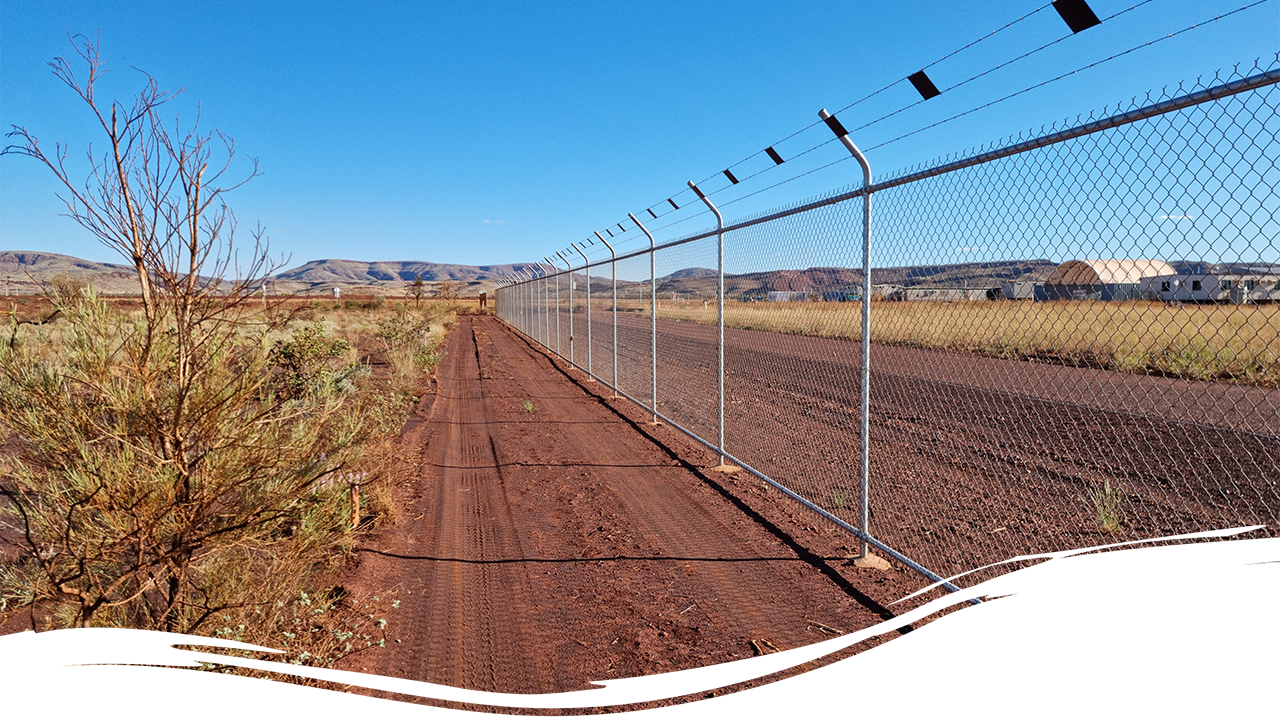
For properties that require a high level of perimeter security, security gates provide additional reinforcements against forced entry.
Convenience and Remote Operation
One of the biggest advantages of automatic gates is ease of use. Remote access control allows users to operate gates from a distance, eliminating the need for manual opening and closing.
For industrial facilities, integrating automated gates with access control systems helps streamline security operations and improves traffic management.
Increased Property Value and Aesthetics
Installing an automatic gate enhances property appearance and security, making it a desirable feature for commercial and residential properties.
Gates can be customized with different materials and finishes to match architectural styles. For heritage properties, heritage fencing can be paired with automatic gate designs to maintain a traditional aesthetic.
Common Applications of Automatic Gates
Commercial and Industrial Facilities
Warehouses, factories, and business premises often use automatic gates to regulate entry points and protect assets. Sliding and cantilever gates are commonly used for industrial security applications due to their durability and space efficiency.
Residential Security
Homeowners install automatic gates to increase privacy and deter trespassers. Swing and sliding gate models are popular choices for residential driveways, offering seamless access control.
Restricted Areas and High-Security Zones
Government buildings, military bases, and corporate offices use automatic gates to manage access to sensitive areas. For maximum security, gates are often integrated with biometric scanners, keycard systems, and reinforced materials.
Types of Automatic Gates
Different gate designs suit different security needs and site conditions.
- Swing Gates: Open inward or outward on hinges; best for residential properties with available space.
- Sliding Gates: Move along a track; suitable for industrial and commercial applications.
- Cantilever Gates: Similar to sliding gates but trackless, ideal for sites with uneven ground.
- Boom Gates: Used for traffic control and parking areas, commonly seen in industrial facilities and commercial parking lots.
Choosing the right type depends on site layout, security level, and space availability.
Automatic Gate Installation and Maintenance
Proper installation ensures long-term functionality and trouble-free operation of automatic gates. The process includes:
- Site evaluation to determine gate type and automation system.
- Choosing the right motor and access control system based on usage frequency.
- Ensuring power supply and backup options (e.g., solar-powered systems).
- Professional installation with safety sensors and security integration.
- Regular maintenance to check motors, sensors, and gate alignment.
FenceWright provides custom automatic gate solutions, ensuring professional installation and servicing for all security needs.
For high-quality automated gate installation, explore our automatic gates services in Perth.

ISO 9001 is the internationally recognised standard for a
Quality Management System (QMS) that can benefit any size organization.
ISO 14001 is the internationally recognised standard that specifies requirements for an effective environmental management system (EMS).

ISO 45001 is now the internationally recognised standard for OHS management systems.