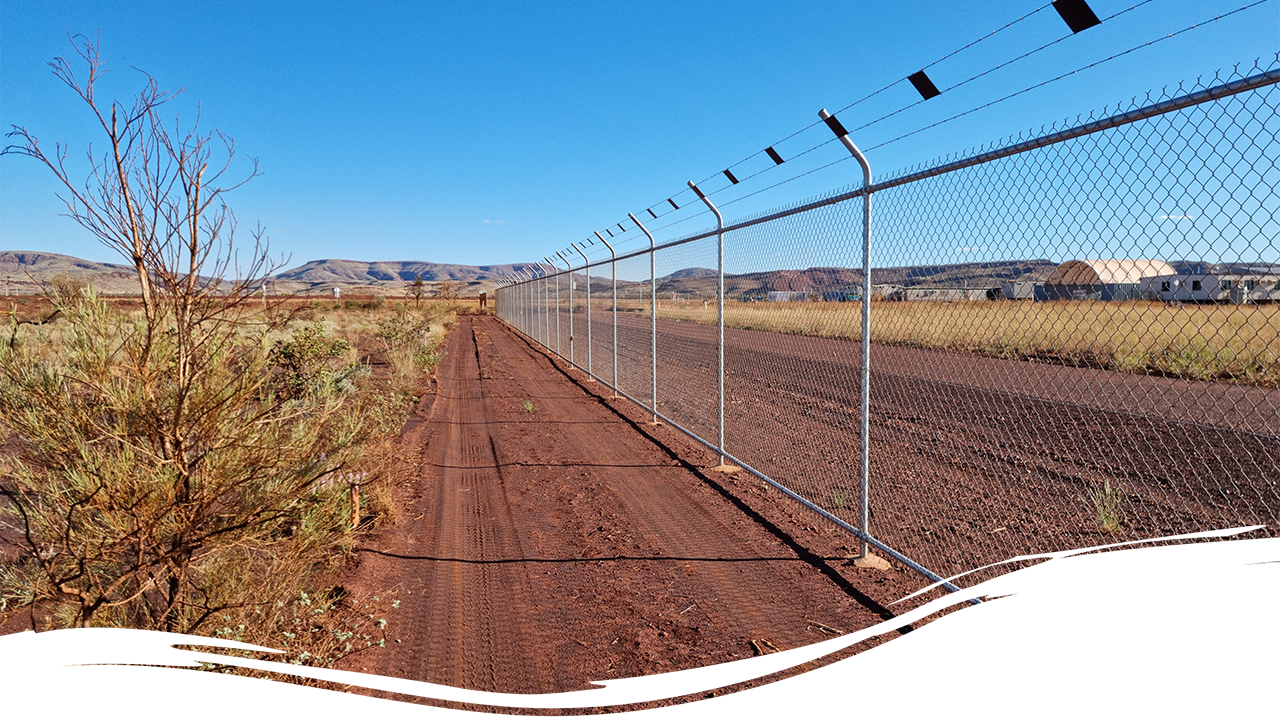
Construction fencing is a temporary security barrier used to protect construction sites, workers, and the public by restricting access and preventing safety hazards. These fences help comply with legal safety requirements while securing valuable equipment and materials on-site.
Made from durable steel mesh, chain-link panels, or solid hoarding, construction fencing is designed for quick installation and adaptability to different work environments, including roadworks, building developments, and demolition sites.
Benefits of Construction Fencing
Improves Site Safety & Compliance
Construction sites are high-risk areas, requiring fencing to:
- Prevent unauthorized access and accidents.
- Protect workers and pedestrians from hazards.
- Comply with workplace health and safety regulations.
For added site security, temporary fencing offers portable solutions for flexible site management.
Secures Equipment & Prevents Theft
Construction sites often contain valuable machinery and materials, making them a target for theft or vandalism. Construction fencing:
- Deters trespassers and unauthorized personnel.
- Creates a secure perimeter for overnight protection.
- Can be reinforced with locks, barbed wire, or surveillance systems.
For high-security applications, security fencing provides extra reinforcement for restricted areas.
Controls Dust, Noise & Environmental Impact
Construction fencing can also serve as a wind and noise barrier, helping to:
- Reduce dust pollution from excavation and building work.
- Minimize noise disruption in urban environments.
- Contain debris and waste within the site boundary.
For improved dust control, wind and construction fencing helps limit environmental impact.
Common Applications of Construction Fencing
Building & Infrastructure Projects
Construction fencing is widely used to secure development sites, including:
- Commercial and residential building projects.
- Roadworks and infrastructure upgrades.
- Demolition and excavation sites.
For long-term perimeter security, garrison fencing is often used in permanent infrastructure projects.
Event & Public Safety Barriers
Construction fencing is also used for temporary crowd control, such as:
- Music festivals and sporting events.
- Public gatherings and large-scale celebrations.
- Traffic management during city roadworks.
For pedestrian safety, bollards can be installed alongside fencing to control vehicle access.
Restricted Access & Worksite Protection
High-risk construction areas use specialized fencing solutions to:
- Block access to hazardous zones like excavation pits and scaffolding areas.
- Ensure compliance with workplace safety laws.
- Protect workers from external disturbances.
For extra protection in excavation projects, rock drilling ensures stable fencing in tough terrain.
Types of Construction Fencing
Construction fencing options vary based on site conditions, security needs, and environmental concerns:
- Chain-Link Construction Fencing: A cost-effective solution for general site security.
- Welded Mesh Fencing: Provides enhanced strength and durability.
- Solid Hoarding Panels: Ideal for privacy, dust control, and noise reduction.
- Portable & Temporary Fencing: Allows for quick setup and removal.
Selecting the right construction fence depends on site duration, safety requirements, and legal compliance.
Construction Fencing Installation & Maintenance
Proper installation ensures secure site protection and regulatory compliance. The process includes:
- Assessing site layout and security needs.
- Selecting the appropriate fencing type and height.
- Positioning and securing panels with reinforced posts.
- Installing access gates for workers and vehicle entry.
- Conducting routine inspections and repairs to maintain safety.
FenceWright specializes in construction fencing solutions, ensuring secure, durable, and compliant barriers for work sites of all sizes.
For expert construction fencing installation, explore our construction fencing services in Perth.


ISO 9001 is the internationally recognised standard for a
Quality Management System (QMS) that can benefit any size organization.

ISO 14001 is the internationally recognised standard that specifies requirements for an effective environmental management system (EMS).

ISO 45001 is now the internationally recognised standard for OHS management systems.