Construction hoarding is a temporary barrier system used to secure construction sites, protect the public, and ensure compliance with safety regulations. It consists of solid panels or fencing that enclose work areas, preventing unauthorized access, dust, and debris from affecting surrounding spaces.
These barriers are essential for urban construction projects, roadworks, and large-scale developments where site security and public safety are top priorities. Construction hoarding also serves as a branding and information space, often displaying project details, safety warnings, and advertisements.
Benefits of Construction Hoarding
Enhanced Security and Public Safety
Construction hoarding creates a physical barrier that prevents trespassing, vandalism, and theft. By enclosing work zones, it also reduces the risk of accidents by keeping pedestrians and vehicles at a safe distance.
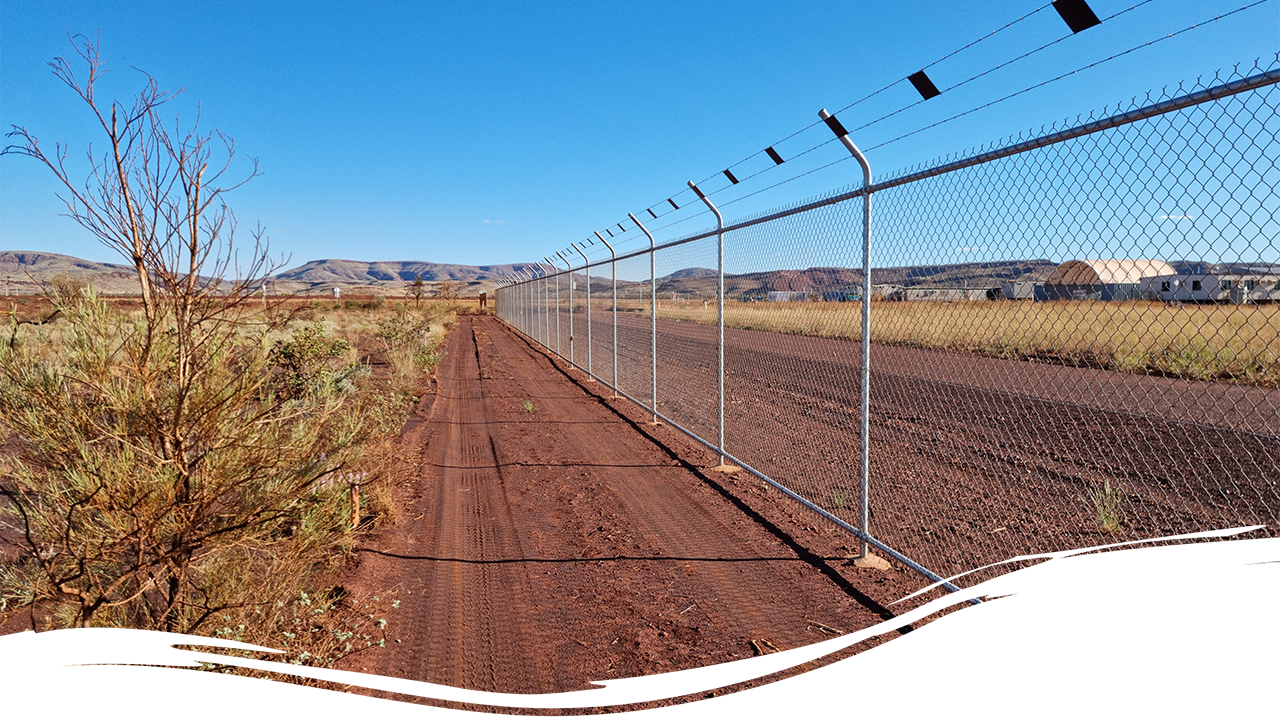
For high-risk sites, temporary fencing can be used alongside hoarding for additional security reinforcement.
Privacy and Noise Reduction
Many construction projects take place in busy urban areas where privacy and noise control are concerns. Solid hoarding panels reduce noise pollution and block visibility into the site, minimizing disruptions for nearby businesses and residents.
For sites exposed to strong winds, wind and construction fencing can be combined with hoarding for added stability and wind resistance.
Custom Branding and Signage Opportunities
Construction hoarding serves as valuable advertising space, allowing developers to showcase project details, safety messages, and company branding. Many companies customize their hoarding with logos, graphics, and promotional materials to enhance visibility.
For sites requiring customized fencing solutions, fence fabrication services can provide tailored hoarding designs that match project needs.
Common Applications of Construction Hoarding
Commercial and Residential Construction
Large-scale construction projects use hoarding to protect work areas and manage pedestrian traffic. It prevents public access to hazardous zones while ensuring site security.
Infrastructure and Roadworks
Hoarding is commonly used in roadworks and major infrastructure projects to separate construction zones from traffic lanes. It helps improve visibility and safety for both workers and motorists.
Event and Temporary Worksites
Hoarding is often installed at event venues, film sets, and temporary worksites to control access and maintain privacy. It ensures a controlled work environment while reducing outside interference.
Types of Construction Hoarding
Different hoarding materials provide varying levels of security, durability, and customization options:
- Timber Hoarding: Commonly used for long-term projects, providing strong and stable barriers.
- Steel Panel Hoarding: Ideal for high-security applications, offering superior strength and durability.
- PVC Hoarding: Lightweight and weather-resistant, perfect for temporary setups.
- Mesh Hoarding: Used in areas where airflow and visibility are required while maintaining a secure boundary.
Choosing the right hoarding type depends on project duration, environmental conditions, and security needs.
Construction Hoarding Installation and Maintenance
Proper installation ensures maximum stability and compliance with safety standards. The process includes:
- Site assessment to determine the best hoarding type and layout.
- Anchoring the panels securely to withstand wind and environmental conditions.
- Adding gates or access points for site entry and exit control.
- Customizing panels with signage for branding and safety messaging.
- Regular inspections to check for damage or wear over time.
FenceWright offers custom construction hoarding solutions, ensuring professional installation and compliance with Australian safety regulations.
For expert construction hoarding installation, explore our temporary fencing services in Perth.


ISO 9001 is the internationally recognised standard for a
Quality Management System (QMS) that can benefit any size organization.

ISO 14001 is the internationally recognised standard that specifies requirements for an effective environmental management system (EMS).

ISO 45001 is now the internationally recognised standard for OHS management systems.