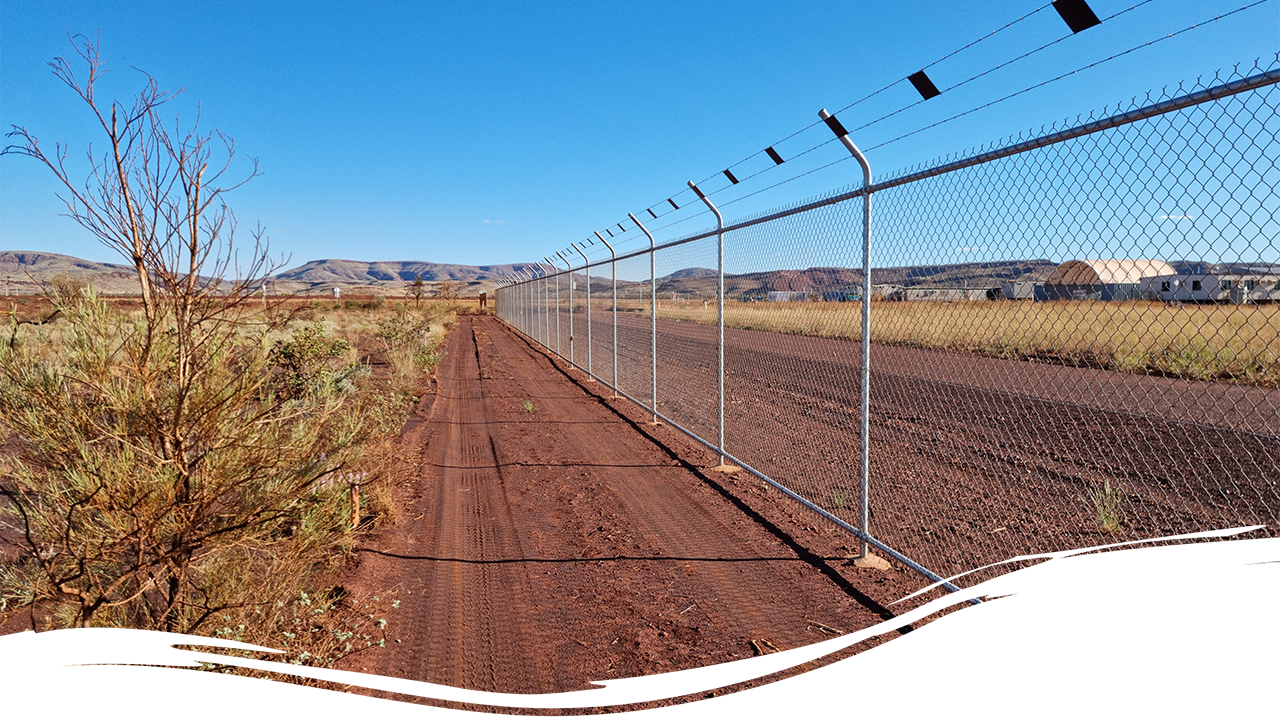
Cyclone tie-downs are reinforced anchoring systems designed to secure fences, shelters, and temporary structures in high-wind and cyclone-prone areas. These tie-downs prevent fences from being uprooted or damaged during extreme weather events by providing extra stability and load resistance.
They are commonly used in industrial sites, construction zones, and remote locations where fences and structures must withstand strong winds and harsh weather conditions. Cyclone tie-downs help enhance safety, prevent damage, and reduce long-term maintenance costs.
Benefits of Cyclone Tie-Downs
Cyclone tie-downs offer multiple advantages for structural stability and weather resistance.
Enhanced Wind Resistance
One of the primary benefits of cyclone tie-downs is their ability to reinforce fences and structures against strong winds. In cyclone-prone regions, high-speed gusts can weaken and displace fencing, leading to safety hazards and costly repairs. By securing the fence posts deep into the ground, cyclone tie-downs distribute wind loads evenly, reducing the risk of structural failure.
For additional wind protection, wind and construction fencing can be used in combination with cyclone tie-downs to create a robust wind barrier.
Increased Durability and Longevity
Cyclone tie-downs are engineered for durability, often made from galvanized steel or other corrosion-resistant materials. These reinforcements extend the lifespan of fencing and structures by preventing premature wear caused by wind-related stress.
For sites requiring extra durability, weldmesh fencing is often installed alongside cyclone tie-downs to provide a stronger, more resilient perimeter.
Compliance with Safety Standards
Many industrial and construction sites require cyclone tie-downs to comply with safety regulations for high-wind areas. Properly anchored fences help reduce workplace hazards and ensure that safety standards are met.
At sites where security is a concern, tie-down systems can be paired with garrison fencing to maintain a strong and compliant perimeter.
Common Applications of Cyclone Tie-Downs
Cyclone tie-downs are used in various industries where fences and temporary structures must endure strong winds.
Mining and Remote Industrial Sites
In mine sites and remote work camps, strong wind gusts can damage fencing and equipment. Cyclone tie-downs reinforce perimeter fencing to ensure ongoing security and protect site infrastructure from wind damage.
Construction and Temporary Fencing
Construction projects in cyclone-prone areas often require stabilized temporary fencing. Using cyclone tie-downs with temporary fencing helps secure work zones, prevent unauthorized access, and keep barriers intact during storms.
Coastal and Rural Properties
Coastal and rural areas frequently experience strong winds and shifting soil conditions, which can affect fence stability. Cyclone tie-downs prevent fence posts from loosening over time, ensuring a secure perimeter for livestock, property protection, and environmental conservation.
Types of Cyclone Tie-Downs
There are several cyclone tie-down solutions, each suited for different fencing and structural needs.
- Anchor Rods & Brackets: Used to secure fence posts in high-wind areas.
- Ground Screws & Helical Piles: Ideal for deep anchoring in loose or sandy soils.
- Concrete Footings with Reinforced Tie-Downs: Provides maximum stability for permanent fences.
Choosing the right cyclone tie-down system depends on soil conditions, wind exposure, and fence material.
Cyclone Tie-Down Installation
Proper installation of cyclone tie-downs ensures maximum wind resistance and long-term stability. The process includes:
- Assessing soil conditions to determine the best anchoring method.
- Drilling or securing anchors deep into the ground for maximum hold.
- Reinforcing fence posts with brackets, rods, or concrete footings.
- Inspecting and tensioning the system to ensure structural integrity.
For expert installation, FenceWright offers custom cyclone tie-down solutions tailored to site-specific wind conditions and structural needs.
If you’re installing fencing in a high-wind region, explore our fence fabrication services to ensure a sturdy and compliant fencing system.

ISO 9001 is the internationally recognised standard for a
Quality Management System (QMS) that can benefit any size organization.
ISO 14001 is the internationally recognised standard that specifies requirements for an effective environmental management system (EMS).

ISO 45001 is now the internationally recognised standard for OHS management systems.