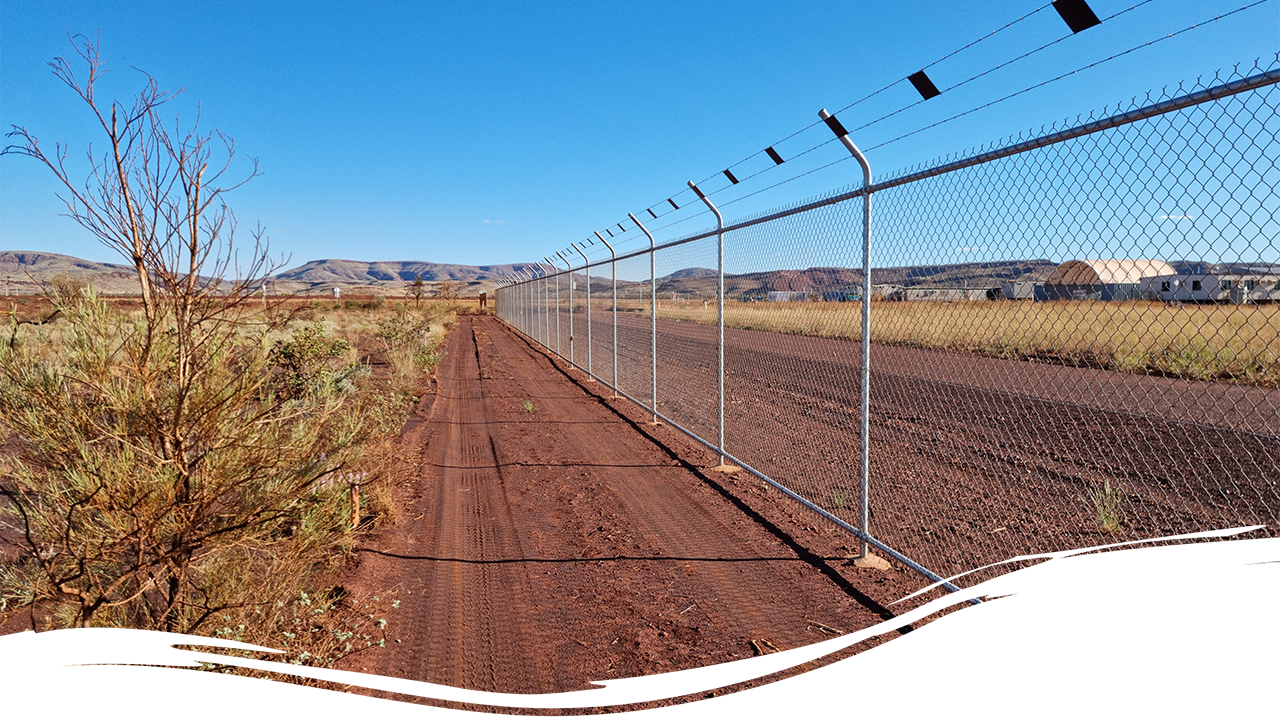
Environmental fencing is a specialized barrier system designed to protect wildlife, prevent erosion, and safeguard sensitive ecosystems. It is commonly used in conservation areas, construction sites, and land rehabilitation projects to control movement, prevent habitat destruction, and ensure compliance with environmental regulations.
Unlike traditional fencing, environmental fencing is often temporary or semi-permanent, depending on project needs. Materials used include shade cloth, mesh panels, and biodegradable barriers, which help create a non-invasive, eco-friendly solution.
This type of fencing is essential for minimizing human impact on natural habitats, controlling invasive species, and protecting vulnerable plant and animal populations.
Benefits of Environmental Fencing
Protects Native Wildlife and Ecosystems
One of the primary functions of environmental fencing is to prevent harm to wildlife and natural habitats. By controlling human and animal movement, these barriers help reduce habitat destruction, prevent pollution, and support conservation efforts.
For sites requiring specialized fauna protection, fauna fencing provides an effective solution for keeping wildlife out of hazardous areas.
Prevents Soil Erosion and Land Degradation
Environmental fencing helps stabilize soil and vegetation, reducing the risk of erosion and land degradation in coastal regions, wetlands, and newly developed sites. Windbreak fencing can also be used in high-wind areas to protect soil and vegetation from damage.
For construction sites, wind and construction fencing helps prevent dust and debris from affecting surrounding ecosystems.
Complies with Environmental Regulations
Many government and environmental agencies require fencing solutions to protect endangered species, water sources, and heritage sites. Properly installed environmental fencing ensures compliance with local laws while supporting sustainable development.
For heritage-listed areas, heritage fencing may be required to maintain historical and environmental integrity.
Common Applications of Environmental Fencing
Wildlife Conservation Areas
Environmental fencing is commonly installed in national parks, reserves, and wildlife habitats to protect native animals and prevent human interference. These fences also help keep invasive species from damaging ecosystems.
Construction and Infrastructure Projects
Construction sites near wetlands, forests, or fragile landscapes often require environmental fencing to prevent damage to vegetation, control sediment flow, and manage stormwater runoff.
Coastal and Agricultural Protection
Coastal areas use environmental fencing to reduce wind erosion and protect sand dunes. In agriculture, fencing prevents livestock from damaging environmentally sensitive areas, such as water sources or protected land zones.
Types of Environmental Fencing
There are different types of environmental fencing, each designed for specific protection needs:
- Fauna Fencing: Designed to protect wildlife and prevent road accidents.
- Erosion Control Fencing: Helps stabilize soil and vegetation in coastal and agricultural areas.
- Shade Cloth Fencing: Reduces wind and dust impact, commonly used in construction and land rehabilitation.
- Timber or Mesh Barriers: Used for long-term conservation fencing while allowing some visibility.
Selecting the right type depends on environmental impact, project duration, and regulatory requirements.
Environmental Fencing Installation and Maintenance
Proper installation ensures long-term effectiveness and minimal impact on the environment. The process includes:
- Assessing the site to determine fencing type and environmental impact.
- Selecting eco-friendly materials to minimize disruption.
- Installing fencing with secure anchoring to withstand environmental conditions.
- Adding access gates where necessary to allow controlled entry.
- Performing regular inspections to ensure fence stability and effectiveness.
FenceWright provides custom environmental fencing solutions, ensuring compliance with conservation and sustainability standards.
For expert installation, explore our fencing services in Perth.

ISO 9001 is the internationally recognised standard for a
Quality Management System (QMS) that can benefit any size organization.
ISO 14001 is the internationally recognised standard that specifies requirements for an effective environmental management system (EMS).

ISO 45001 is now the internationally recognised standard for OHS management systems.