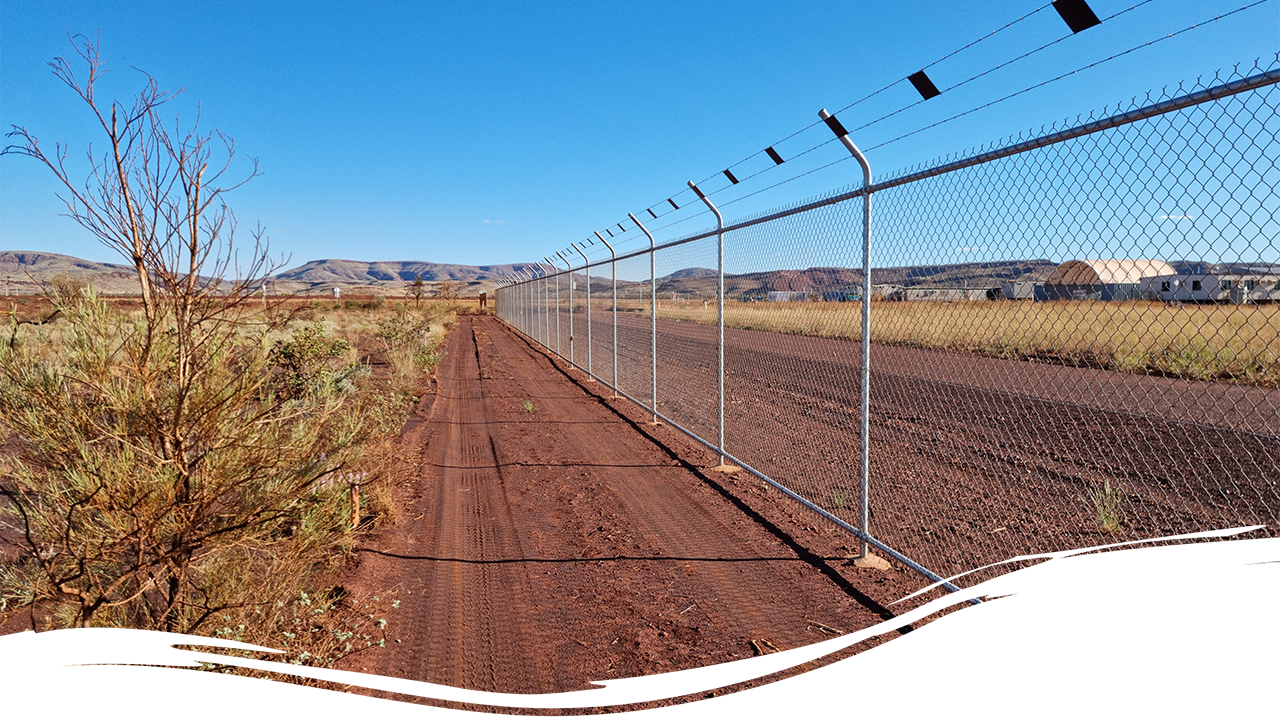
Fauna fencing is a specialized barrier system designed to protect wildlife by preventing animals from entering roads, railways, or high-risk areas. It is commonly used in conservation projects, road safety programs, and infrastructure developments to reduce vehicle-wildlife collisions and habitat disruption.
Fauna fencing is made from durable materials such as chainmesh, welded mesh, and reinforced steel, ensuring it can withstand harsh weather and animal impact while allowing for safe animal movement in designated corridors.
Benefits of Fauna Fencing
Prevents Wildlife-Vehicle Collisions
One of the primary purposes of fauna fencing is to reduce road accidents caused by animals crossing highways and railways. It helps by:
- Guiding wildlife towards safe crossing points.
- Blocking access to high-traffic areas.
- Improving driver and animal safety on major roads.
For roadside protection, fauna fencing is often combined with security bollards to restrict vehicle access in sensitive zones.
Protects Endangered Species & Natural Habitats
Fauna fencing plays a crucial role in wildlife conservation efforts by:
- Preserving ecosystems and migration patterns.
- Preventing animals from entering industrial or construction sites.
- Helping national parks and reserves manage native species.
For temporary wildlife protection during land development, wind and construction fencing can be used to create temporary enclosures.
Durable & Low-Maintenance Design
Fauna fencing is designed to withstand animal pressure, environmental exposure, and weather conditions, with features such as:
- Galvanized steel or PVC-coated wire mesh for corrosion resistance.
- Buried or curved fence bases to prevent burrowing.
- Wildlife-friendly gate access for controlled movement.
For long-term durability, regular fence maintenance and repairs ensure fauna fencing remains effective over time.
Common Applications of Fauna Fencing
Road & Highway Safety Projects
Governments and infrastructure planners install fauna fencing along highways and roads to:
- Reduce wildlife-related traffic accidents.
- Guide animals to dedicated crossing tunnels or bridges.
- Ensure compliance with environmental safety regulations.
For added road safety, traffic control measures like signage and barriers can be installed alongside fauna fencing.
Conservation & National Park Protection
Fauna fencing is widely used in national parks and wildlife reserves to:
- Separate protected areas from urban developments.
- Create safe breeding zones for endangered species.
- Control human access to sensitive environments.
For heritage-listed conservation areas, heritage fencing provides a traditional yet protective barrier.
Mining & Industrial Site Environmental Management
Mining and industrial operations use fauna fencing to prevent wildlife from entering hazardous zones, ensuring:
- Animals do not access open pits, chemical storage, or high-risk areas.
- Regulatory compliance with environmental impact assessments.
- Minimal disruption to local wildlife populations.
For secure mining enclosures, mine site fencing provides reinforced protection for workers and wildlife.
Types of Fauna Fencing
Fauna fencing comes in different designs to accommodate various animal species and landscape conditions:
- Chainmesh Fauna Fencing: Standard for kangaroo and medium-sized wildlife exclusion.
- Reinforced Weldmesh Fencing: Suitable for high-impact animal containment.
- Buried or Curved Base Fencing: Prevents digging and burrowing species from bypassing barriers.
- Temporary Fauna Fencing: Used for construction projects and short-term wildlife management.
Choosing the right fencing type depends on species behavior, environmental factors, and safety requirements.
Fauna Fencing Installation & Compliance
Proper installation ensures wildlife safety and environmental compliance. The process includes:
- Assessing local wildlife movement and risk areas.
- Selecting appropriate fence height and mesh size based on animal species.
- Installing fence posts with secure anchoring to prevent damage.
- Ensuring smooth fence alignment with escape points for emergency access.
- Routine inspections and maintenance to check for breaches or wear.
FenceWright specializes in custom fauna fencing solutions, ensuring safe and environmentally responsible enclosures for conservation, infrastructure, and industrial projects.
For expert fauna fencing installation, explore our fauna fencing services in Perth.


ISO 9001 is the internationally recognised standard for a
Quality Management System (QMS) that can benefit any size organization.

ISO 14001 is the internationally recognised standard that specifies requirements for an effective environmental management system (EMS).

ISO 45001 is now the internationally recognised standard for OHS management systems.