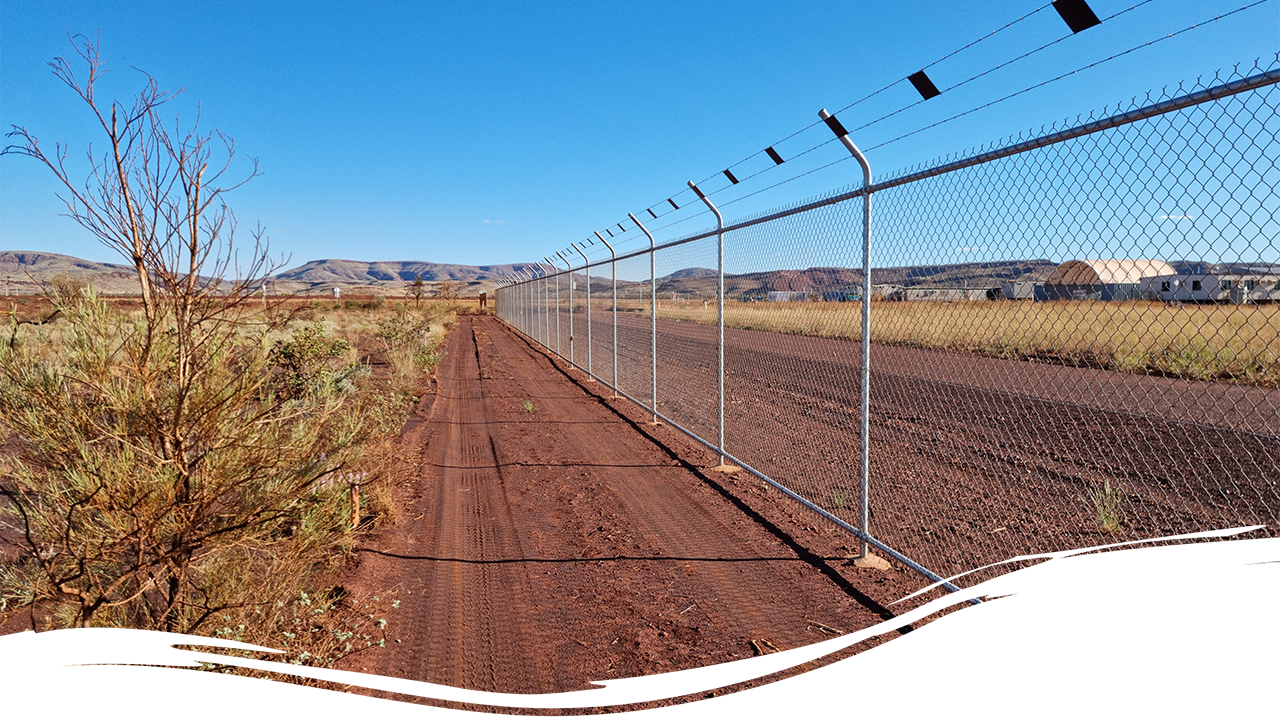
Fence fabrication is the process of designing, manufacturing, and assembling fencing solutions tailored to specific security, aesthetic, and functional needs. It involves custom cutting, welding, and finishing of fencing materials to meet the unique requirements of residential, commercial, and industrial applications.
Custom fence fabrication allows property owners to select materials, dimensions, coatings, and security features, ensuring a durable and visually appealing fencing system that suits their site conditions and security needs.
Benefits of Custom Fence Fabrication
Tailored to Specific Requirements
Unlike mass-produced fencing, custom fabrication provides fencing solutions designed to match exact property dimensions, security levels, and design preferences.
For properties requiring high-security fencing, garrison fencing can be fabricated with reinforced steel and anti-climb features.
High-Quality Materials & Durability
Fabricated fences use premium materials such as steel, aluminum, and reinforced mesh, ensuring long-lasting durability even in harsh weather conditions.
For additional protection, fence maintenance and repairs help extend the lifespan of fabricated fencing systems.
Custom Security Features
Custom fabrication allows for the integration of security reinforcements, including:
- Anti-climb panels to prevent intrusions.
- Spiked or curved tops for added deterrence.
- Automated gate systems for seamless access control.
For commercial and industrial properties, integrating automatic gates with fabricated fencing enhances security and access control.
Common Applications of Fence Fabrication
Industrial & Commercial Sites
Factories, warehouses, and infrastructure facilities require custom-built fencing to ensure high-security protection and controlled access. Fabrication allows for the design of reinforced, impact-resistant fences for sensitive areas.
Residential & Architectural Fencing
Homeowners choose fabricated fences for custom decorative styles, privacy barriers, and gated security. These fences can be designed to complement modern or heritage-style homes.
For heritage-listed properties, heritage fencing can be fabricated to match traditional designs and preservation standards.
High-Security Zones
Government buildings, correctional facilities, and military bases require specialized fabricated fencing with maximum-strength materials and advanced security features.
For restricted-access areas, high-security fencing can be fabricated with customized anti-tamper designs.
Materials Used in Fence Fabrication
Fence fabrication uses various materials depending on security, durability, and aesthetic needs:
- Steel: Heavy-duty and corrosion-resistant, ideal for high-security fencing.
- Aluminum: Lightweight and rust-proof, commonly used for decorative and residential fences.
- Welded Mesh: Provides strong impact resistance and visibility for industrial and commercial properties.
- Timber: Often used in heritage or privacy fencing applications.
The choice of material depends on site conditions, budget, and required security levels.
Fence Fabrication Process
The fence fabrication process includes design, material selection, and manufacturing to create custom fencing solutions:
- Site Assessment & Design Planning – Determining the best fencing type, materials, and features.
- Material Cutting & Shaping – Preparing steel, aluminum, or mesh panels to meet specifications.
- Welding & Assembly – Creating secure joints and reinforced structures.
- Powder Coating & Finishing – Applying protective coatings to enhance durability.
- Installation & Final Adjustments – Ensuring the fabricated fence is securely installed and aligned.
FenceWright provides custom fence fabrication services, offering expert craftsmanship and high-quality fencing tailored to specific property needs.
For professional fence fabrication solutions, explore our fence fabrication services in Perth.


ISO 9001 is the internationally recognised standard for a
Quality Management System (QMS) that can benefit any size organization.
ISO 14001 is the internationally recognised standard that specifies requirements for an effective environmental management system (EMS).

ISO 45001 is now the internationally recognised standard for OHS management systems.