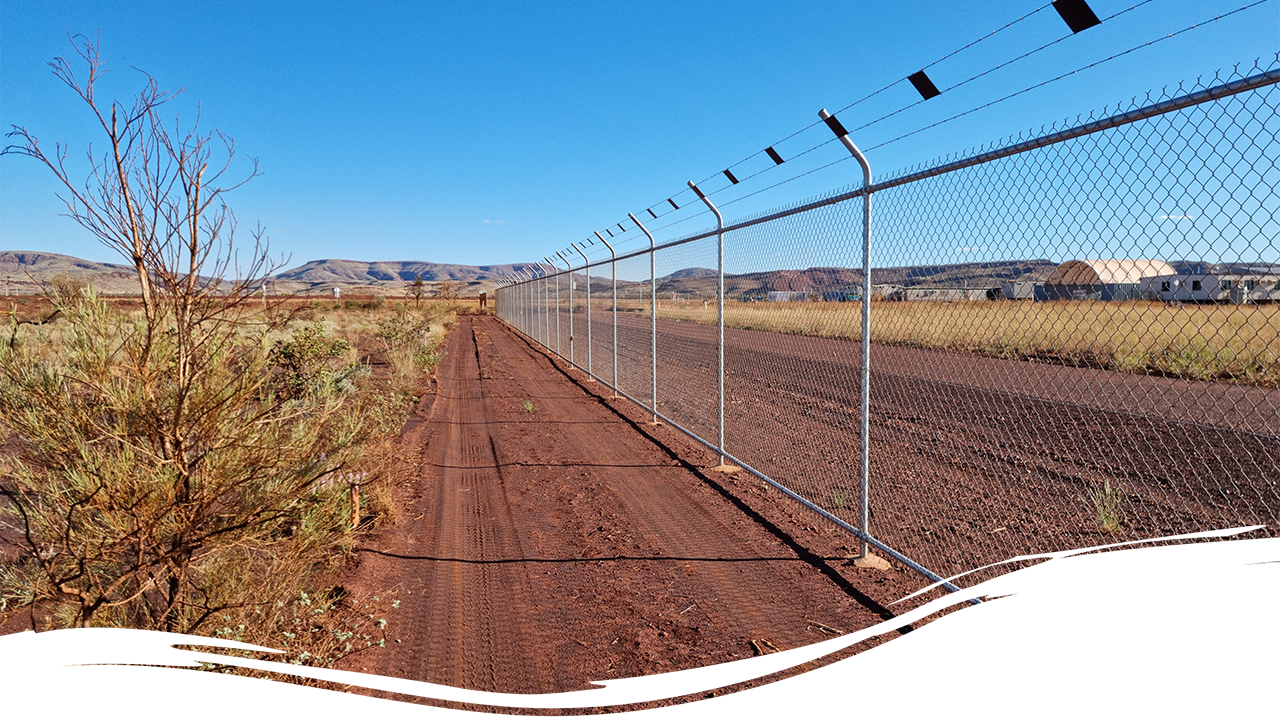
Fence maintenance refers to the routine inspection, cleaning, and repair of fencing structures to ensure long-term durability, security, and aesthetic appeal. Proper maintenance helps prevent damage, reduce repair costs, and comply with safety regulations for various property types, including residential, commercial, and industrial sites.
Regular upkeep is essential to protect fences from weather exposure, rust, impact damage, and general wear and tear.
Benefits of Regular Fence Maintenance
Extends Fence Lifespan & Reduces Costs
Routine maintenance helps prevent small issues from becoming costly repairs, ensuring:
- Rust and corrosion are removed before structural damage occurs.
- Fence posts remain stable and secure against ground movement.
- Coatings and finishes stay intact, preventing premature wear.
For aging fences, fence repairs can restore structural integrity without requiring a full replacement.
Maintains Security & Prevents Unauthorized Access
A compromised fence can create security risks, including trespassing, theft, and safety hazards. Proper maintenance ensures:
- Fence panels and gates remain in secure working condition.
- Anti-climb and reinforced barriers stay intact.
- Surveillance or security systems integrated with fencing function properly.
For high-security applications, security fencing provides reinforced perimeter protection that must be regularly inspected for effectiveness.
Enhances Property Appearance & Compliance
A well-maintained fence improves curb appeal and meets regulatory requirements, ensuring:
- Aesthetic appeal is preserved with proper cleaning and repainting.
- Compliance with workplace and residential safety regulations.
- Functional integrity, reducing liability risks for property owners.
For heritage-listed properties, heritage fencing requires careful maintenance to preserve historical accuracy while ensuring structural stability.
Common Fence Maintenance Issues
Rust & Corrosion in Metal Fences
Steel and iron fences are prone to rust, which weakens the structure over time. Preventative maintenance includes:
- Applying rust-resistant coatings and sealants.
- Checking for signs of corrosion and treating affected areas.
- Replacing damaged panels or posts as needed.
For welded mesh and garrison fencing, weldmesh fencing provides extra corrosion resistance but still requires routine upkeep.
Warping, Rot & Termite Damage in Timber Fencing
Wood fences are susceptible to moisture-related issues and insect damage, requiring:
- Regular sealing or staining to protect against weather exposure.
- Replacing rotted or broken wooden posts.
- Pest control treatments to prevent termite infestations.
For long-term durability, custom fencing offers treated timber and alternative materials designed to withstand environmental conditions.
Fence Post Instability & Ground Movement
Fence posts can become loose or misaligned due to soil erosion, heavy winds, or poor installation. Preventative measures include:
- Checking post alignment and reinforcing with concrete footings.
- Ensuring proper drainage to prevent water damage around posts.
- Replacing weak or broken posts before they affect fence stability.
For rocky or uneven terrain, rock drilling provides a secure foundation for fence post installation.
Common Applications of Fence Maintenance
Industrial & Commercial Perimeter Security
Businesses and industrial sites require ongoing fence maintenance to:
- Ensure perimeter security fencing remains intact.
- Protect restricted areas and loading docks from unauthorized access.
- Maintain anti-climb and impact-resistant barriers.
For secure commercial sites, garrison fencing provides a strong, low-maintenance security solution.
Residential & Gated Community Fencing
Homeowners and property managers maintain fences to:
- Preserve privacy and keep pets or children safe.
- Enhance curb appeal and property value.
- Ensure compliance with homeowner association guidelines.
For automated security solutions, automatic gates should also be regularly inspected for smooth operation and safety compliance.
Public Infrastructure & High-Security Facilities
Government buildings, transport hubs, and correctional facilities require strict fence maintenance protocols to:
- Prevent breaches in high-security zones.
- Ensure fencing meets national security standards.
- Maintain access control systems and surveillance integration.
For maximum security, high-security fencing should be routinely inspected for weaknesses or tampering.
Fence Maintenance Best Practices
Regular maintenance involves proactive inspections and repairs to keep fences in optimal condition:
- Performing visual inspections for damage, rust, or loose components.
- Cleaning fencing surfaces to remove dirt, mold, or debris.
- Applying protective coatings or treatments for weather resistance.
- Repairing or replacing broken panels, posts, or fasteners.
- Checking gate hinges, locks, and automated mechanisms for smooth operation.
FenceWright offers professional fence maintenance services, ensuring strong, secure, and long-lasting fencing solutions for all property types.
For expert fence maintenance, explore our fence maintenance services in Perth.

ISO 9001 is the internationally recognised standard for a
Quality Management System (QMS) that can benefit any size organization.
ISO 14001 is the internationally recognised standard that specifies requirements for an effective environmental management system (EMS).

ISO 45001 is now the internationally recognised standard for OHS management systems.