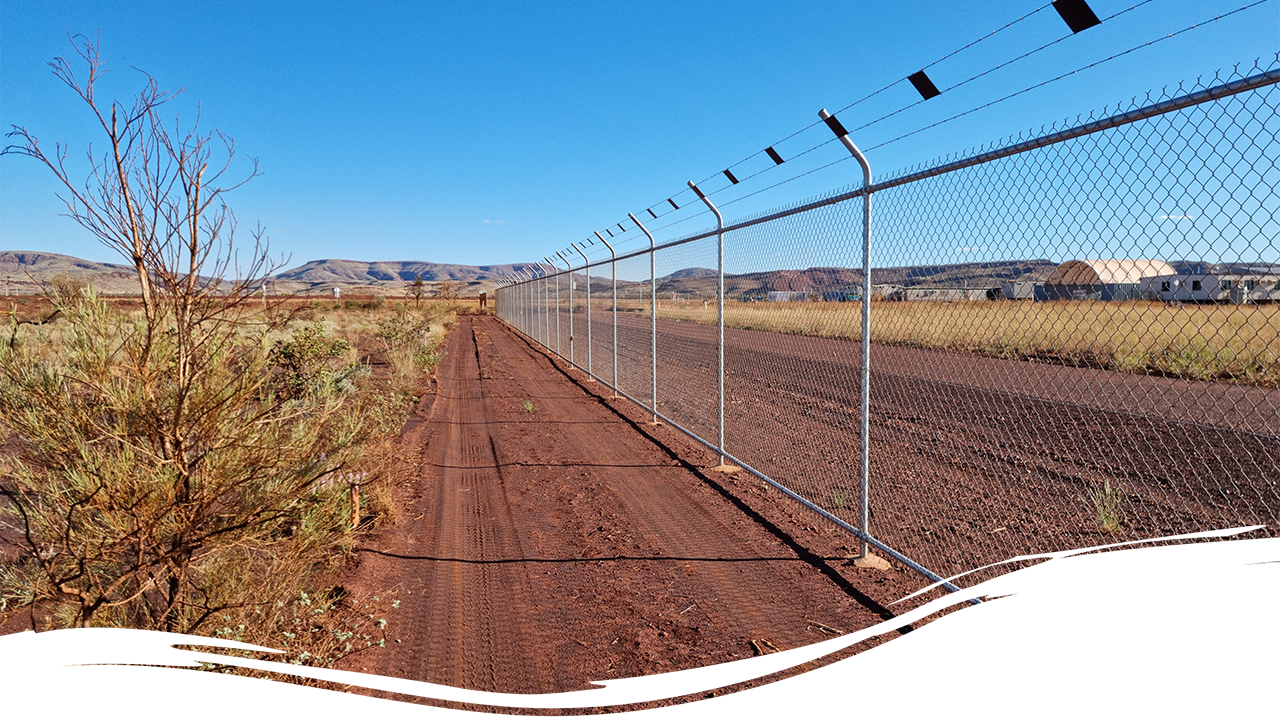
Remote fencing is a specialized fencing solution designed to provide security and boundary control in isolated or hard-to-reach locations. These areas often lack immediate access to infrastructure, making durable, low-maintenance fencing essential.
Industries such as mining, agriculture, and construction commonly rely on remote fencing to establish secure perimeters. It helps protect assets, prevent unauthorized access, and contain livestock or equipment. Unlike standard fencing, remote fencing solutions are built to withstand extreme environmental conditions, including high winds, temperature variations, and rugged terrain.
Several fencing materials can be used for remote applications, including chainmesh fencing, garrison fencing, and welded mesh fencing. Choosing the right type depends on security needs, environmental factors, and durability requirements.
Benefits of Remote Fencing
Remote fencing provides several key benefits that make it an ideal solution for isolated locations.
Security for Off-Grid Locations
One of the primary advantages of remote fencing is enhanced security. In remote areas, the risk of trespassing, theft, and vandalism is higher due to a lack of supervision. Installing a high-quality security fence helps prevent unauthorized access and protects valuable assets.
For mine sites, mine site fencing ensures restricted areas remain secure. In agriculture, stock fencing prevents livestock from straying onto roads or neighboring properties.
Built to Withstand Harsh Conditions
Remote fencing is designed using durable, weather-resistant materials that can withstand exposure to wind, rain, and UV rays. Depending on the location, options like galvanized steel, powder-coated panels, and reinforced posts offer long-lasting protection against corrosion and environmental wear.
For areas exposed to high winds or construction activity, wind and construction fencing can provide temporary security while ensuring compliance with safety regulations.
Low Maintenance and Cost-Effective
Once installed, remote fencing requires minimal maintenance compared to other security measures. The use of high-quality coatings and rust-resistant materials reduces the need for frequent repairs. Additionally, automated solar-powered gate systems can be integrated to improve security while reducing operational costs.
Long-term, remote fencing provides a cost-effective solution that eliminates the need for constant supervision, reducing labor expenses and enhancing operational efficiency.
Common Applications of Remote Fencing
Remote fencing is widely used across multiple industries that require secure perimeters in isolated locations.
Mining Operations
In the mining industry, remote fencing plays a vital role in securing work sites, hazardous areas, and restricted zones. Proper fencing ensures compliance with site safety regulations while preventing unauthorized personnel from accessing high-risk areas.
Agricultural and Livestock Management
Farmers and ranchers use remote fencing solutions to manage livestock, protect crops, and define property boundaries. Stock fencing, electric fencing, and welded mesh fencing are commonly used to prevent animal escapes and deter predators.
Construction and Infrastructure Projects
Construction projects in remote areas require fencing for site security and safety compliance. Installing temporary fencing helps control access and prevents trespassing, reducing the risk of accidents or vandalism.
Choosing the Right Remote Fencing
Selecting the right remote fencing depends on factors such as terrain, security requirements, and environmental conditions.
- Chainmesh fencing provides flexibility and affordability for large perimeters.
- Welded mesh fencing offers enhanced security with its rigid structure.
- Garrison fencing is ideal for high-security applications, offering strength and durability.
Working with an experienced fencing provider ensures the right materials and designs are selected based on the specific requirements of the site.
Remote Fencing Installation
Proper installation is key to ensuring the longevity and effectiveness of a remote fencing system. Professional installation services ensure fencing is securely anchored, aligned with site conditions, and compliant with safety regulations.
FenceWright specializes in custom remote fencing solutions, offering expert installation and high-quality materials suited for isolated environments. Whether securing a mine site, farm, or construction zone, our team ensures a durable and reliable fencing solution.
For professional remote fencing installation, explore our fencing services in Perth.

ISO 9001 is the internationally recognised standard for a
Quality Management System (QMS) that can benefit any size organization.
ISO 14001 is the internationally recognised standard that specifies requirements for an effective environmental management system (EMS).

ISO 45001 is now the internationally recognised standard for OHS management systems.