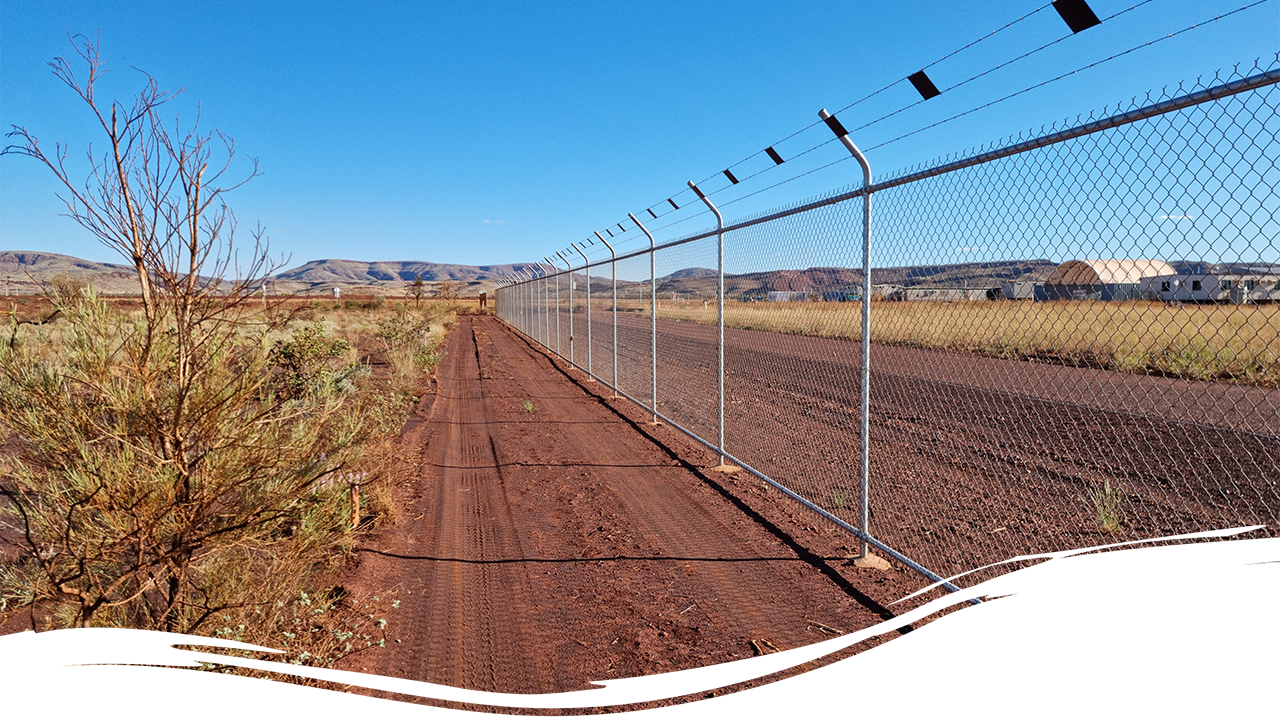
Rural fencing is a specialized fencing system designed to protect livestock, secure property boundaries, and prevent wildlife intrusion in agricultural and rural areas. It is commonly made from wire mesh, timber, or steel posts, ensuring durability and weather resistance.
This fencing is essential for farm management, livestock containment, and environmental protection, helping farmers maintain efficient land use while securing valuable assets.
Benefits of Rural Fencing
Protects Livestock & Crops
Rural fencing prevents livestock from escaping while keeping wild animals and trespassers out. It helps:
- Secure cattle, sheep, and horses in designated grazing areas.
- Prevent damage to crops and farm infrastructure.
- Reduce the risk of vehicle collisions on rural roads.
For high-strength livestock enclosures, stock fencing is commonly used alongside rural fencing.
H3: Built for Harsh Environmental Conditions
Rural fencing is designed to withstand extreme weather, including strong winds, heavy rain, and temperature fluctuations. Common materials include:
- Galvanized wire mesh for corrosion resistance.
- Treated timber posts for durability.
- Steel fencing for maximum longevity.
For properties exposed to strong winds, windbreak fencing helps reduce wind erosion and protect crops.
H3: Cost-Effective & Low Maintenance
Rural fencing provides long-term protection with minimal upkeep. Routine maintenance ensures:
- Fence posts remain stable and aligned.
- Wire mesh stays tensioned and secure.
- Barbed wire or electric fencing continues functioning effectively.
For ongoing upkeep, fence maintenance and repairs help extend the fence’s lifespan.
Common Applications of Rural Fencing
Livestock Containment
Farmers use rural fencing to keep cattle, sheep, and horses in designated areas, preventing:
- Livestock from wandering onto roads or neighboring properties.
- Predators from attacking animals in grazing fields.
For added security, electric fencing can be installed to deter predators and unauthorized access.
Crop & Property Protection
Rural fencing is also used to protect crops and farmlands from animal damage, ensuring:
- Boundaries are clearly defined and secure.
- Wildlife does not enter fields and cause destruction.
For heritage-listed rural properties, heritage fencing maintains traditional aesthetics while providing security.
Roadside & Perimeter Security
Fencing along rural roads and property boundaries enhances safety and visibility, preventing:
- Accidents involving wandering livestock.
- Unauthorized vehicle access to private land.
For impact protection near roadways, security bollards provide an additional layer of defense.
Types of Rural Fencing
Different rural fencing options cater to various livestock and land protection needs:
- Post & Rail Fencing: A traditional, strong fencing option commonly used for horse paddocks and farm entrances.
- Wire Mesh Fencing: Provides secure enclosures for sheep, goats, and small livestock.
- Barbed Wire & Electric Fencing: Used in high-risk areas to prevent livestock from escaping and deter predators.
- Rabbit & Vermin-Proof Fencing: Installed to protect crops and native vegetation from animal damage.
Choosing the right fencing type depends on livestock type, terrain, and environmental exposure.
Rural Fencing Installation & Maintenance
A properly installed rural fence ensures effective livestock management and property security. The process includes:
- Assessing the land and livestock needs to determine fencing height and material.
- Setting durable posts at regular intervals for stability.
- Attaching wire mesh, rails, or electric fencing securely.
- Reinforcing fencing with additional security features if required.
- Regular inspections and repairs to maintain strength and alignment.
FenceWright specializes in custom rural fencing solutions, providing high-quality, long-lasting enclosures for agricultural and rural properties.
For expert rural fencing installation, explore our rural fencing services in Perth.


ISO 9001 is the internationally recognised standard for a
Quality Management System (QMS) that can benefit any size organization.
ISO 14001 is the internationally recognised standard that specifies requirements for an effective environmental management system (EMS).

ISO 45001 is now the internationally recognised standard for OHS management systems.