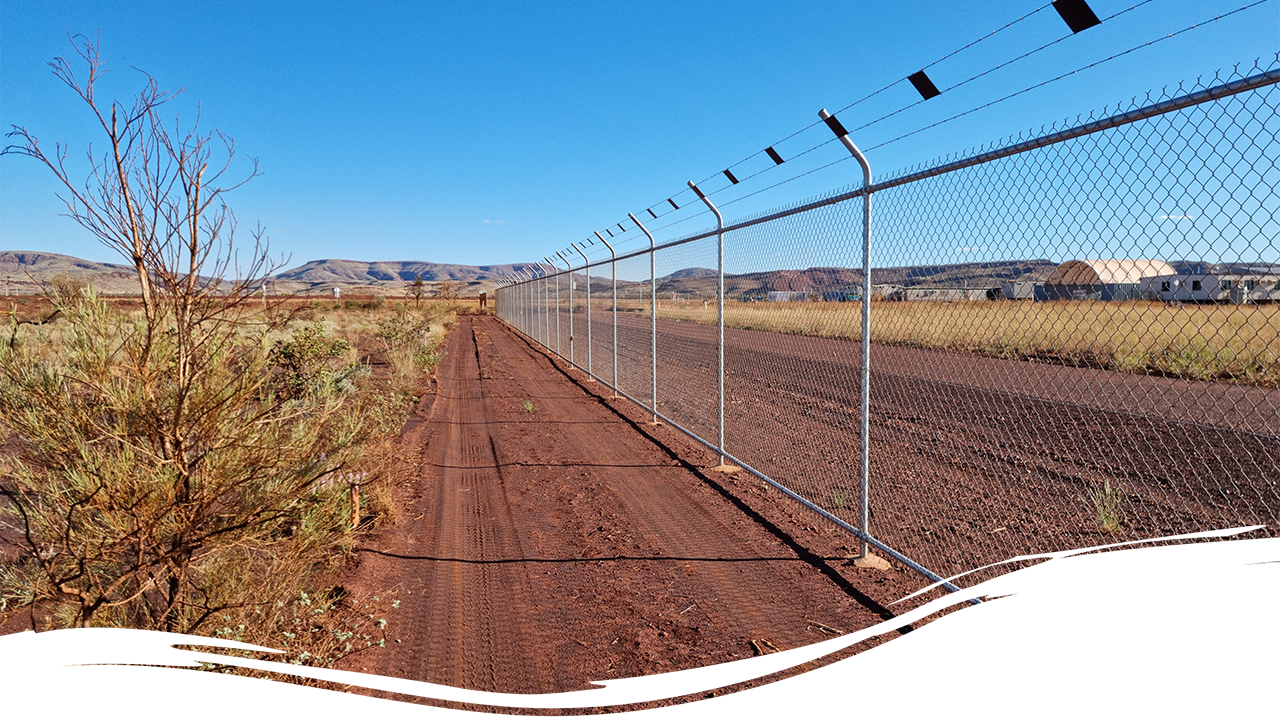
Stock fencing is a specialized barrier system designed to contain livestock, protect crops, and define property boundaries in rural and agricultural settings. These fences are built using durable materials such as wire mesh, timber posts, and steel panels, ensuring long-lasting protection against animal escapes and external threats.
Proper stock fencing is essential for farm management, livestock safety, and land preservation, preventing livestock from straying and keeping predators out.
Benefits of Stock Fencing
Prevents Livestock Escapes & Predation
Stock fencing provides a secure enclosure for cattle, sheep, horses, and other livestock, reducing the risk of:
- Animals wandering onto roads or neighboring properties.
- Predators such as foxes or wild dogs attacking livestock.
- Damage to crops and farm infrastructure.
For extra security, electric fencing can be integrated with stock fencing to deter predators and reinforce containment.
Durable & Weather-Resistant Materials
Stock fencing is designed to withstand extreme weather conditions, ensuring long-term performance. Common materials include:
- Galvanized wire mesh for rust resistance.
- Steel or timber posts for structural support.
- Heavy-duty welded mesh for added strength.
For enhanced durability, fence maintenance and repairs can help prolong the lifespan of stock fencing.
Customizable for Different Livestock Types
Different animals require specific fencing solutions to ensure their safety and containment. Stock fencing can be tailored with:
- Higher barriers for horses and cattle.
- Smaller mesh openings for sheep and goats.
- Reinforced panels for strong or aggressive animals.
For customized farm fencing solutions, fence fabrication allows for the creation of tailored stock fencing designs.
Common Applications of Stock Fencing
Livestock Containment & Management
Farmers and livestock owners rely on stock fencing to manage herds, separate grazing areas, and prevent animal conflicts.
For perimeter security, rural fencing can be installed alongside stock fencing to define larger farm boundaries.
Agricultural Crop Protection
Stock fencing helps keep livestock away from crops and gardens, preventing trampling and grazing damage.
For additional environmental control, windbreak fencing can be used to protect crops from strong winds and soil erosion.
Rural Property & Boundary Fencing
Stock fencing is used in large properties, estates, and conservation areas to secure land borders and restrict access.
For heritage-listed rural properties, heritage fencing can be installed to maintain traditional aesthetics.
Types of Stock Fencing
Stock fencing comes in multiple designs depending on livestock type, terrain, and security requirements:
- Wire Mesh Fencing: Ideal for sheep, goats, and smaller livestock.
- Post & Rail Fencing: Commonly used for horse enclosures and large pastures.
- Barbed Wire Fencing: Provides an additional deterrent for containment.
- Electric Stock Fencing: Delivers a mild shock to prevent animal escapes.
Choosing the right fencing type depends on livestock size, farm layout, and climate conditions.
Stock Fencing Installation & Maintenance
A well-installed stock fence ensures maximum security and long-term durability. The process includes:
- Assessing the terrain and selecting the appropriate fence type.
- Installing strong posts at regular intervals for structural support.
- Securing mesh, wire, or rails to prevent sagging.
- Adding reinforcements such as barbed wire or electric deterrents.
- Regular inspections and repairs to maintain fencing integrity.
FenceWright specializes in custom stock fencing solutions, ensuring strong, long-lasting enclosures for livestock, farms, and rural properties.
For expert stock fencing installation, explore our stock fencing services in Perth.

ISO 9001 is the internationally recognised standard for a
Quality Management System (QMS) that can benefit any size organization.
ISO 14001 is the internationally recognised standard that specifies requirements for an effective environmental management system (EMS).

ISO 45001 is now the internationally recognised standard for OHS management systems.