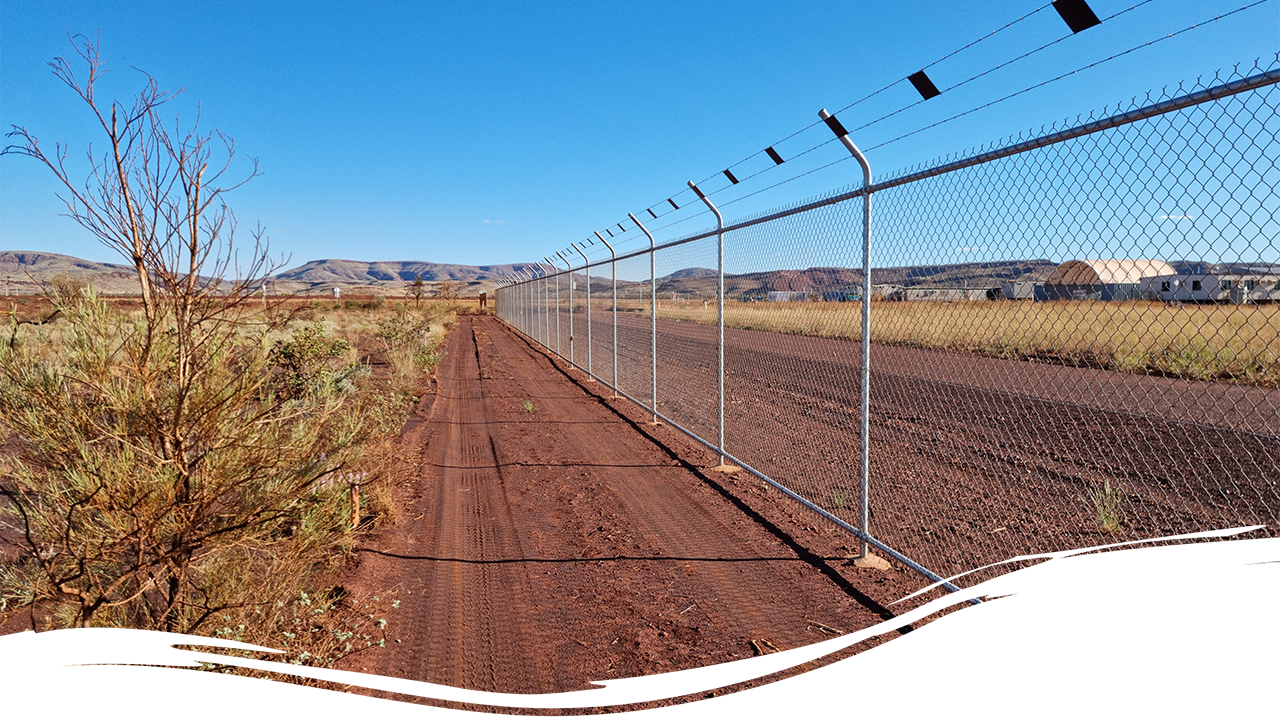
Temporary fencing is a portable, modular barrier system designed to provide security, crowd control, and safety in areas where permanent fencing is unnecessary. These fences are commonly used in construction sites, public events, roadworks, and restricted zones to prevent unauthorized access and protect workers or attendees.
Unlike permanent fencing, temporary fencing is lightweight, easy to install, and adjustable, making it an ideal solution for short-term or evolving security needs. It is available in various designs, including chainmesh panels, crowd control barriers, and wind-resistant fencing.
Benefits of Temporary Fencing
Easy Installation and Portability
One of the biggest advantages of temporary fencing is its quick setup and removal. These fences are designed to be easily transported and reconfigured, making them ideal for short-term projects and changing site requirements.
For projects requiring customizable fence solutions, fence fabrication services can provide tailored temporary fencing designs.
Enhanced Security and Safety
Temporary fencing helps secure construction zones, event perimeters, and high-risk areas, preventing trespassing, vandalism, and accidents. Many work sites use high-security temporary fencing with reinforced panels and anti-climb features for added protection.
For construction sites, wind and construction fencing provides additional stability and weather resistance to protect workers and pedestrians.
Cost-Effective and Versatile
Since temporary fencing is reusable and adaptable, it is a cost-effective option for projects that do not require permanent security solutions. These fences are commonly rented or purchased, depending on the duration and security needs of the project.
For long-term fencing solutions, permanent security fencing may be a better alternative.
Common Applications of Temporary Fencing
Construction Sites
Temporary fencing is widely used in construction and infrastructure projects to secure work zones, prevent unauthorized entry, and protect workers. These fences help contractors comply with safety regulations while ensuring site security.
Public Events and Crowd Control
Concerts, festivals, and sporting events use temporary fencing to manage large crowds, restrict access, and separate different areas. These barriers ensure public safety and smooth event flow.
Roadworks and Traffic Management
Temporary fencing is used in roadworks and traffic control zones to redirect pedestrians and vehicles safely. These fences can be paired with bollards and signage to improve visibility and hazard awareness.
For high-traffic areas, bollards can be installed alongside temporary fencing to enhance pedestrian and vehicle separation.
Types of Temporary Fencing
Different types of temporary fencing suit various security and functional needs:
- Chainmesh Temporary Fencing: Lightweight and flexible, ideal for construction and industrial sites.
- Crowd Control Barriers: Designed for event management and public gatherings.
- Wind-Resistant Fencing: Reinforced with mesh panels or fabric screens for high-wind environments.
- Temporary Pool Fencing: Used for residential and commercial pool safety compliance.
Choosing the right fencing type depends on the site requirements, environmental conditions, and security level needed.
Temporary Fencing Installation and Maintenance
Proper installation ensures stability and effectiveness of temporary fencing. The process includes:
- Assessing the site to determine fencing layout and security needs.
- Positioning fence panels and securing bases for structural support.
- Reinforcing with stabilizers for high-wind or high-traffic areas.
- Adding access gates where controlled entry is needed.
- Performing regular inspections to ensure fence integrity.
FenceWright specializes in custom temporary fencing solutions, ensuring compliance with safety and security regulations for construction sites, events, and restricted areas.
For professional installation, explore our temporary fencing services in Perth.

ISO 9001 is the internationally recognised standard for a
Quality Management System (QMS) that can benefit any size organization.
ISO 14001 is the internationally recognised standard that specifies requirements for an effective environmental management system (EMS).

ISO 45001 is now the internationally recognised standard for OHS management systems.