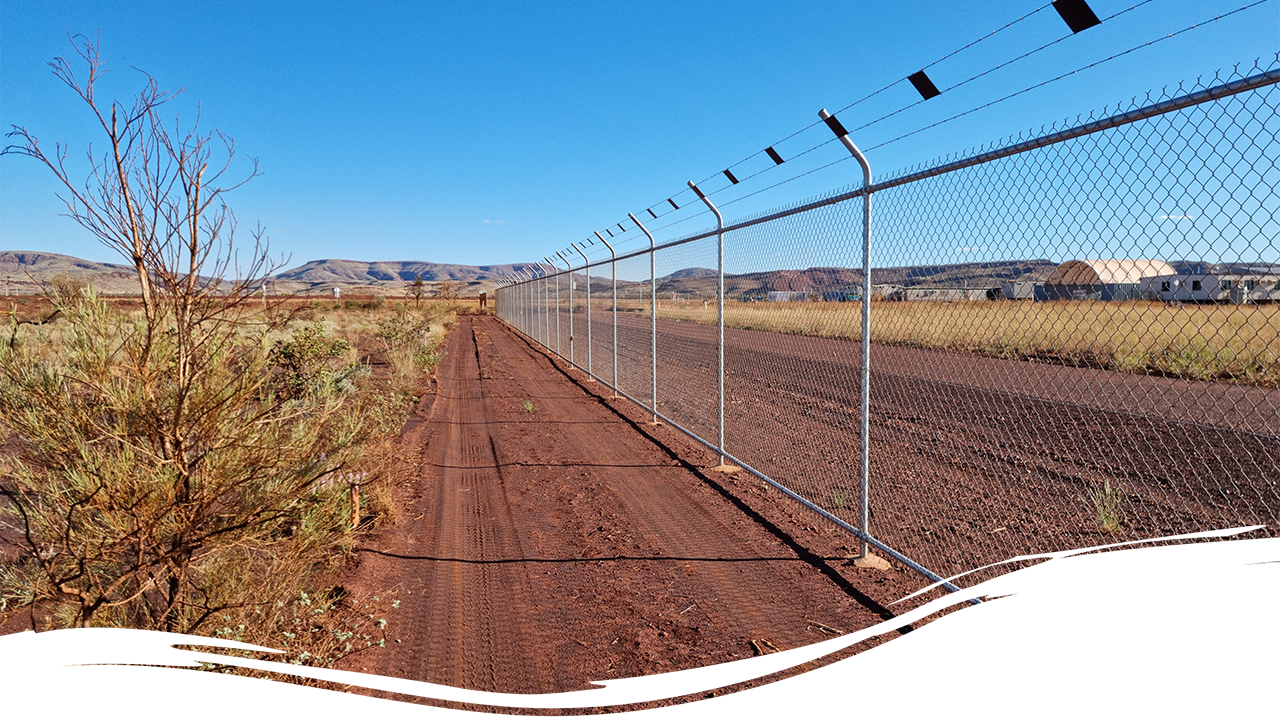
Traffic control refers to strategies, barriers, and systems used to regulate the movement of vehicles and pedestrians in public and private spaces. Effective traffic control measures help prevent accidents, manage congestion, and improve safety in high-risk environments such as construction zones, industrial sites, and urban areas.
Traffic control solutions include bollards, barriers, signage, and automated access control systems, ensuring smooth and secure traffic management.
Benefits of Traffic Control Measures
Enhances Road & Pedestrian Safety
Traffic control systems help:
- Prevent accidents in busy intersections and work zones.
- Ensure safe pedestrian crossings in urban areas.
- Manage high-traffic zones effectively.
For pedestrian safety, security bollards are installed to separate walkways from vehicle lanes.
Controls Unauthorized Vehicle Access
Traffic control barriers regulate:
- Entry to restricted zones such as government buildings and airports.
- Parking areas and driveways in commercial properties.
- Event venues, stadiums, and high-traffic public spaces.
For secure site entry, automatic gates can be combined with traffic control barriers.
Supports Construction & Worksite Safety
Temporary traffic control solutions guide vehicles and workers in construction areas, reducing risks by:
- Directing traffic flow with clear signage and barriers.
- Preventing unauthorized access to hazardous zones.
- Enhancing visibility with reflective markers and cones.
For secure fencing around work sites, temporary fencing provides a flexible safety barrier.
Common Applications of Traffic Control
Roadside & Highway Safety
Traffic control measures improve road safety and regulate vehicle flow in:
- Highways and major intersections.
- School zones and pedestrian crossings.
- Emergency and accident response areas.
For permanent roadside protection, bollards prevent vehicle intrusion into pedestrian areas.
Commercial & Industrial Traffic Management
Factories, warehouses, and corporate offices use traffic control systems to:
- Regulate entry and exit points for vehicles.
- Manage delivery and loading zones efficiently.
- Prevent unauthorized parking and congestion.
For industrial perimeter security, security fencing can be installed alongside traffic control barriers.
Event & Public Space Traffic Regulation
Concerts, festivals, and public events require temporary traffic management solutions to:
- Guide vehicles into designated parking areas.
- Ensure pedestrian safety in crowded spaces.
- Control entry and exit flow to reduce congestion.
For event perimeter security, wind and construction fencing can be used to restrict unauthorized access.
Types of Traffic Control Solutions
Traffic control measures vary based on location, security needs, and traffic volume:
- Fixed Traffic Barriers: Permanent installations for high-security locations.
- Temporary Traffic Barriers: Portable solutions for construction zones and events.
- Automated Traffic Control Gates: Remote-controlled entry for restricted areas.
- Reflective & Illuminated Signage: Improves nighttime visibility in high-traffic zones.
Choosing the right traffic control method depends on safety regulations, road layout, and security requirements.
Traffic Control Installation & Maintenance
A well-planned traffic control system ensures safety and efficiency. The process includes:
- Assessing traffic flow and risk factors in the designated area.
- Choosing the appropriate control measures (bollards, barriers, signage).
- Installing permanent or temporary traffic management systems.
- Integrating access control features, such as gates or surveillance cameras.
- Routine inspections and upgrades to maintain compliance with safety standards.
FenceWright specializes in traffic control solutions, ensuring safe and efficient vehicle management for public, commercial, and industrial applications.
For expert traffic control solutions, explore our traffic control services in Perth.

ISO 9001 is the internationally recognised standard for a
Quality Management System (QMS) that can benefit any size organization.
ISO 14001 is the internationally recognised standard that specifies requirements for an effective environmental management system (EMS).

ISO 45001 is now the internationally recognised standard for OHS management systems.