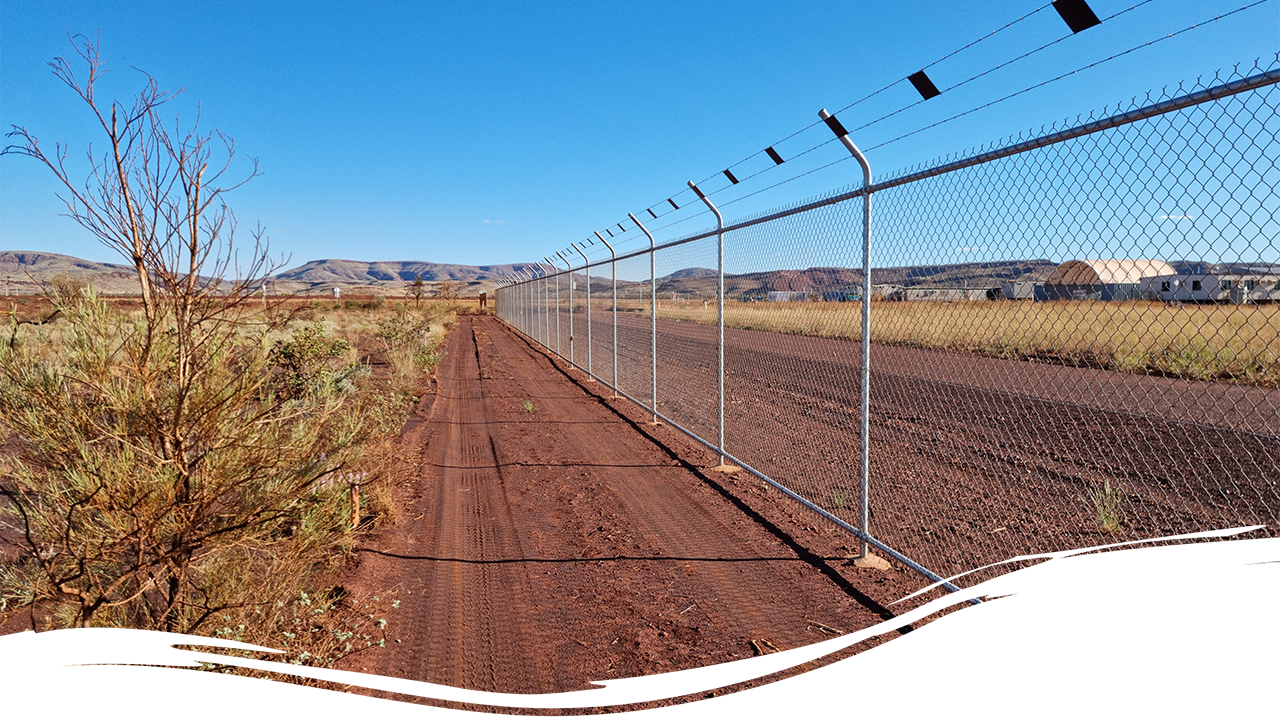
Weldmesh fencing is a high-strength security barrier made from electrically welded steel mesh panels, offering durability, visibility, and resistance to tampering. It is commonly used in industrial sites, commercial properties, schools, and rural areas where reliable perimeter security is required.
Unlike chain link fencing, weldmesh fencing provides greater rigidity and impact resistance, making it ideal for high-security applications, animal enclosures, and public infrastructure projects.
Benefits of Weldmesh Fencing
Strong & Durable Construction
Weldmesh fencing is designed with steel wires welded together at intersections, forming a solid and rigid panel structure. This construction makes it resistant to cutting, bending, and forced entry, offering long-term protection for high-risk areas.
For enhanced security, weldmesh fencing can be installed with anti-climb fencing to prevent trespassing and vandalism.
Low Maintenance & Corrosion Resistance
Manufactured from galvanized steel or powder-coated materials, weldmesh fencing is highly resistant to rust, corrosion, and weather damage. It requires minimal upkeep, making it a cost-effective fencing solution for industrial and outdoor applications.
For long-term durability, fence maintenance and repairs ensure the fencing remains structurally sound over time.
Secure Yet Transparent Design
Weldmesh fencing provides clear visibility while maintaining a strong security barrier, making it suitable for sites requiring both protection and surveillance compatibility.
For sites needing additional perimeter control, weldmesh fencing can be combined with security gates to allow regulated access.
Common Applications of Weldmesh Fencing
Industrial & Commercial Security
Factories, warehouses, and commercial facilities use weldmesh fencing to protect assets, define boundaries, and prevent unauthorized access.
For extra security, garrison fencing can be installed alongside weldmesh panels to reinforce perimeter protection.
Agricultural & Rural Fencing
Farmers and property owners use weldmesh fencing to contain livestock, secure crops, and protect agricultural infrastructure. Its strong yet flexible design makes it suitable for livestock enclosures and paddock fencing.
Schools & Public Infrastructure
Educational institutions, parks, and public transport stations use weldmesh fencing for safety and crowd control, ensuring secure access while maintaining visibility.
For heritage-listed locations, heritage fencing can be used alongside weldmesh fencing to maintain historical aesthetics.
Types of Weldmesh Fencing
Weldmesh fencing is available in different gauges, panel sizes, and coatings, depending on security and durability needs:
- Heavy-Duty Weldmesh Fencing: Ideal for industrial and high-security zones.
- Medium-Gauge Weldmesh Fencing: Commonly used for schools, public areas, and commercial properties.
- Galvanized Weldmesh Fencing: Provides superior rust resistance for outdoor and agricultural applications.
- PVC-Coated Weldmesh Fencing: Features a protective layer for additional corrosion resistance and aesthetics.
Choosing the right weldmesh fencing depends on site conditions, security risks, and environmental factors.
Weldmesh Fencing Installation & Maintenance
Proper installation ensures maximum security and longevity of weldmesh fencing. The process includes:
- Site assessment to determine fence height, gauge, and security features.
- Installing galvanized steel posts for structural support.
- Securing weldmesh panels with tamper-resistant fasteners.
- Applying powder coating or protective finishes for durability.
- Routine inspections to check for damage, rust, or wear.
FenceWright specializes in custom weldmesh fencing solutions, offering professional installation for industrial, commercial, and agricultural applications.
For expert weldmesh fencing installation, explore our weldmesh fencing services in Perth.

ISO 9001 is the internationally recognised standard for a
Quality Management System (QMS) that can benefit any size organization.
ISO 14001 is the internationally recognised standard that specifies requirements for an effective environmental management system (EMS).

ISO 45001 is now the internationally recognised standard for OHS management systems.